What Danish Culture Says About Furniture
Hygge: The Invisible Brief
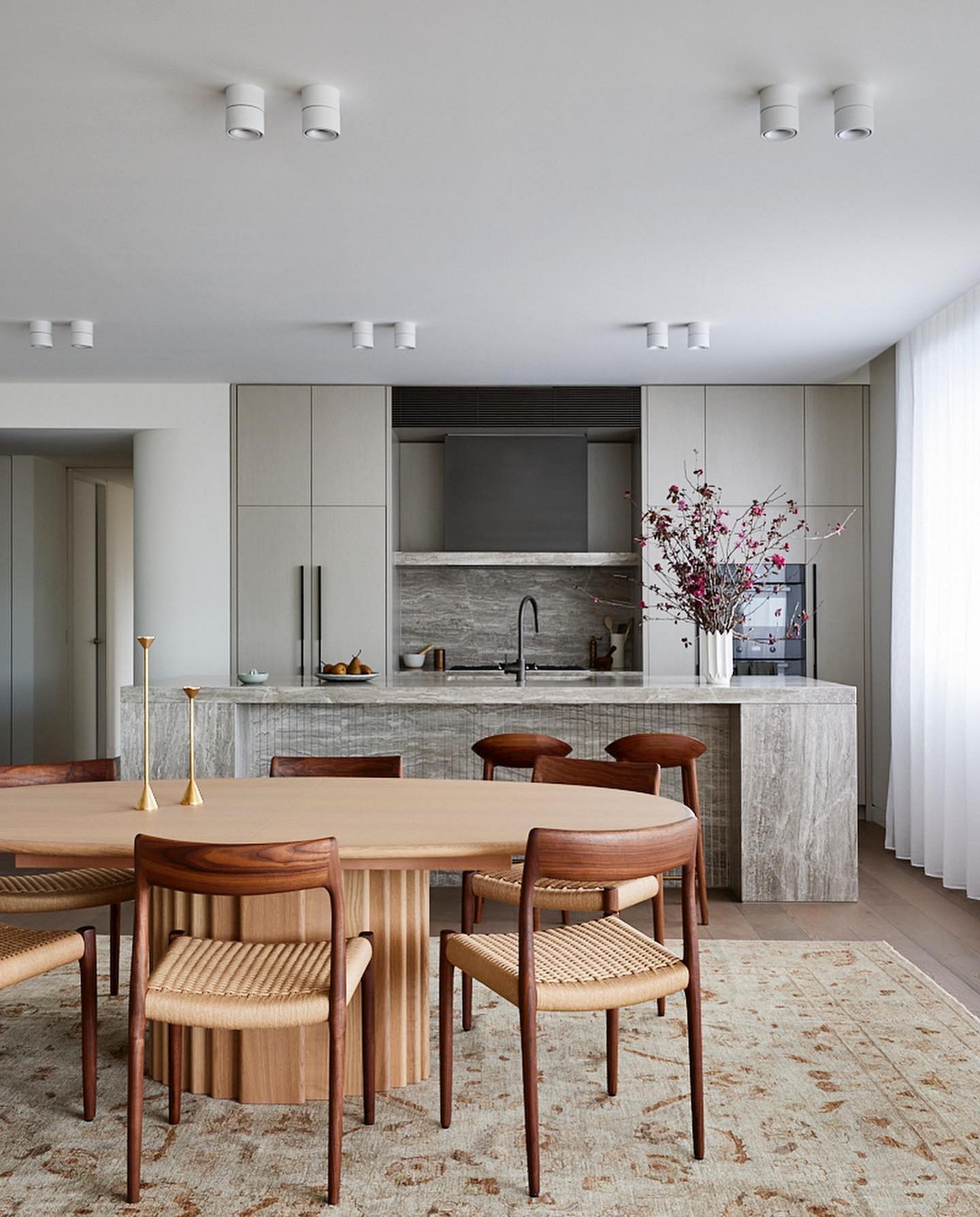
The Danish concept of hygge loosely translated as cosiness, conviviality, or the art of creating a warm atmosphere is not decorative advice. It is a cultural value, as central to Danish identity as wine is to France or tea to Japan. And it has shaped Danish furniture design more profoundly than any aesthetic school.
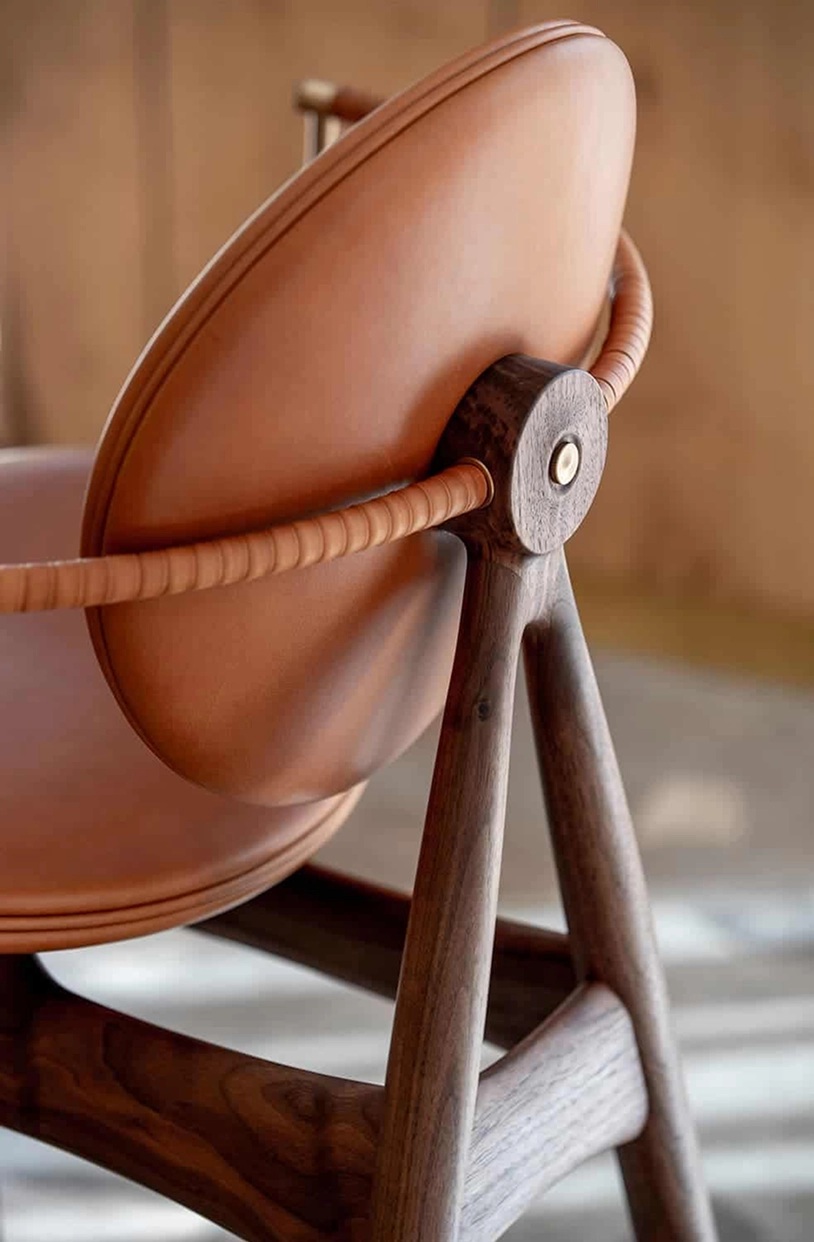
Hygge demands that a room feel welcoming, that furniture invite you to sit, linger, and connect. This is why Danish chairs are so legendarily comfortable the Danish designer's obsession with ergonomics was never merely technical. It was an expression of care. A chair that hurts you after an hour is a chair that fails at the deepest cultural level.
The Golden Age: 1940s–1960s
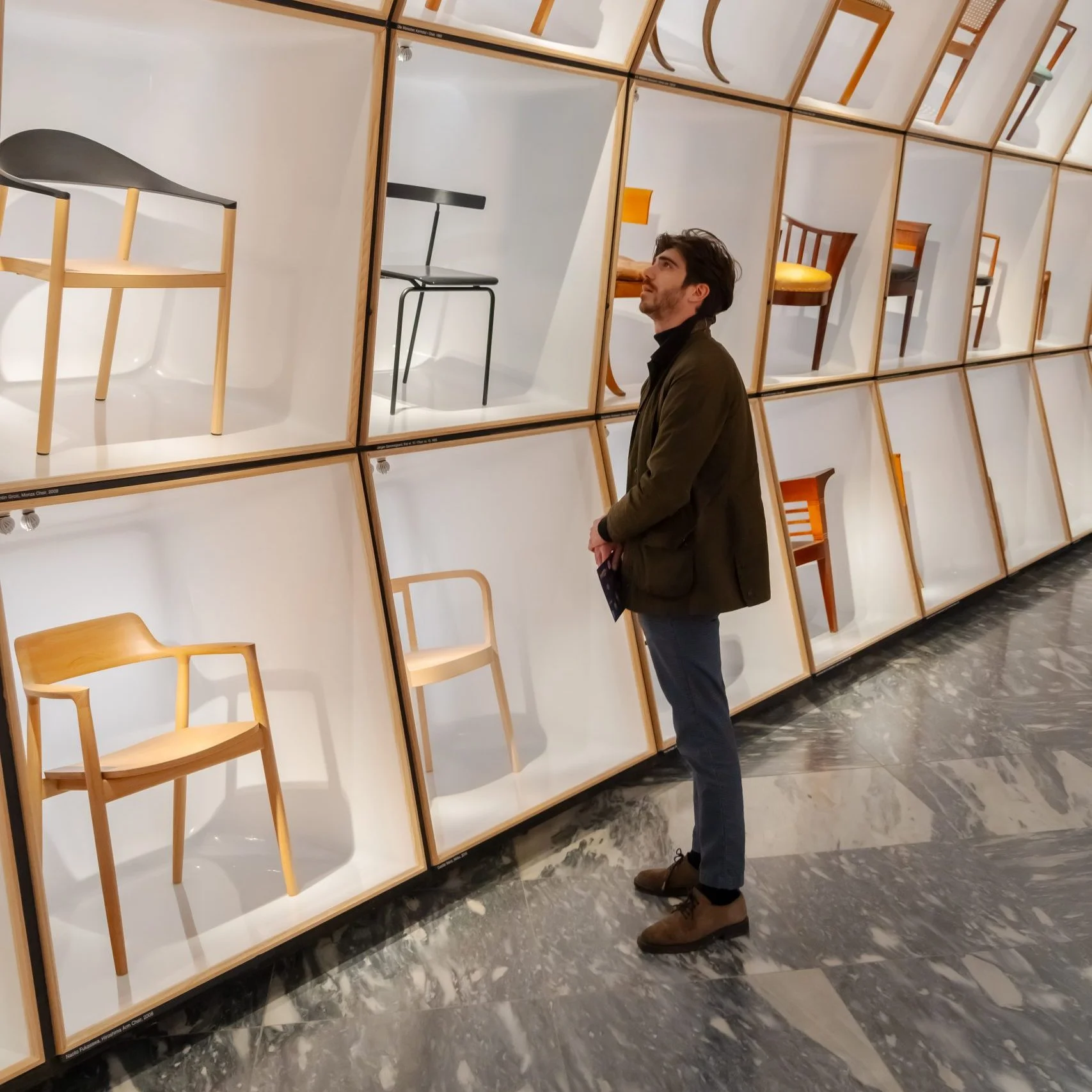
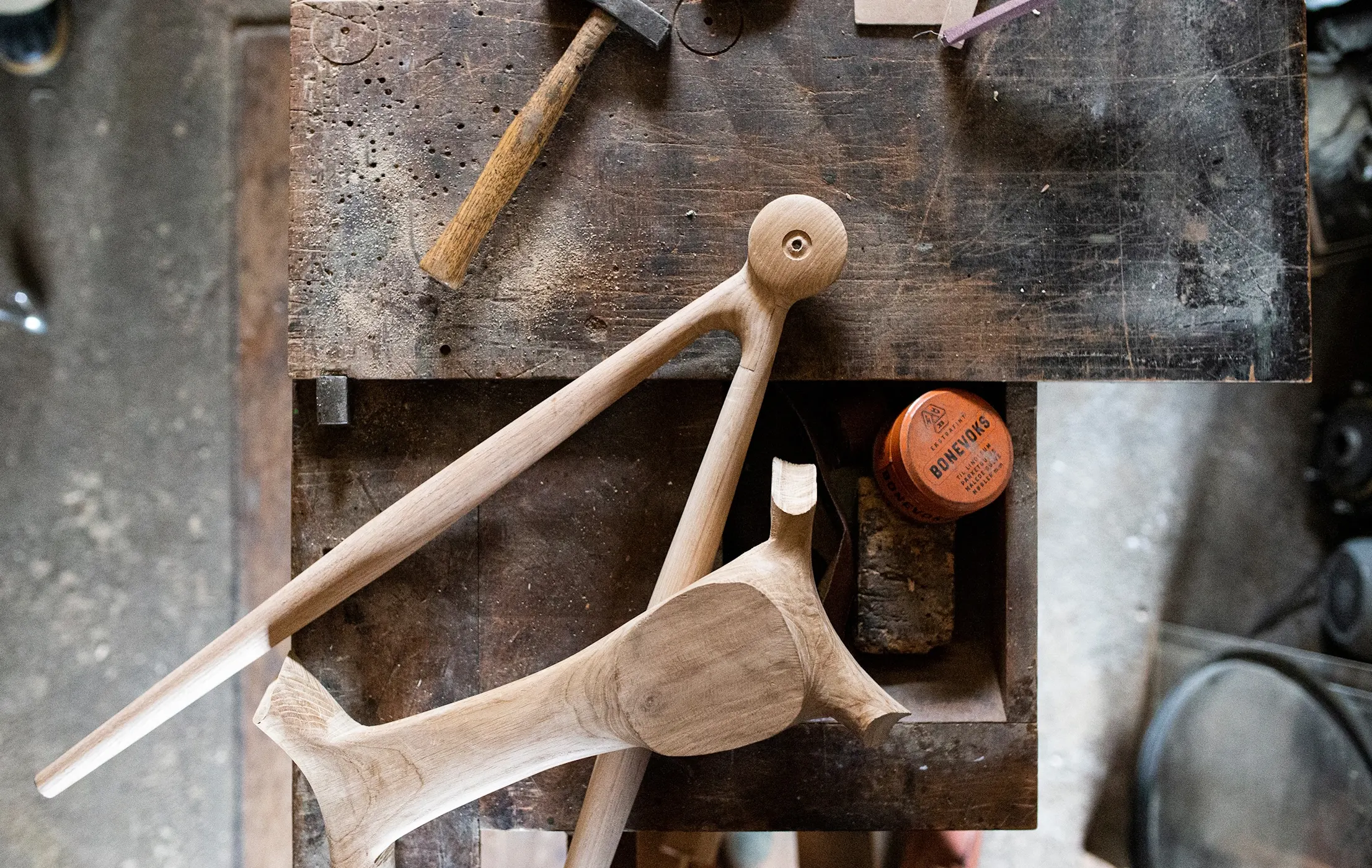
Danish furniture's Golden Age emerged from a unique pedagogical tradition. At the Copenhagen School of Arts and Crafts, architecture students were required to master woodworking alongside design they had to understand material before they could command it. This produced a generation of designer-craftspeople Hans Wegner, Finn Juhl, Arne Jacobsen, Børge Mogensen — whose work married intellectual rigour with the warmth of the hand.
The iconic chairs of this period are not retro curiosities. They remain in continuous production because they solve the problem of sitting with a completeness that has never been bettered.
ANOUR: Danish Light Philosophy
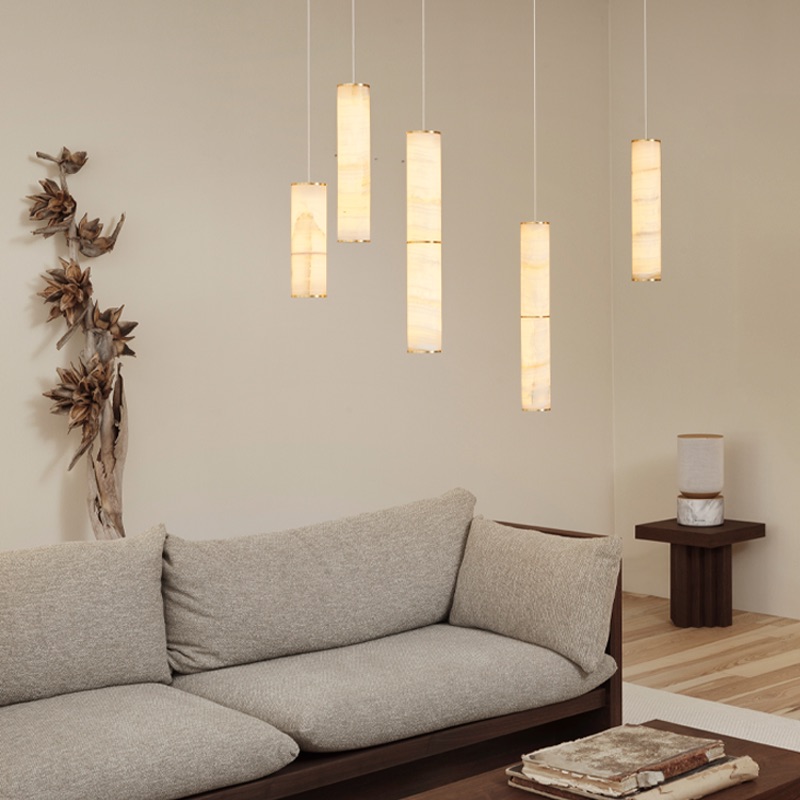
Contemporary Danish design continues this tradition. ANOUR, whose extraordinary lighting we represent at Bazar de Ville, approaches light the way Danish furniture designers approached the chair: as a fundamental shaper of human experience. Their pieces hewn from natural materials, always textured, quietly dramatic transform light into atmosphere. It is hygge, expressed through illumination.
Hygge in Dubai: An Unexpected Resonance
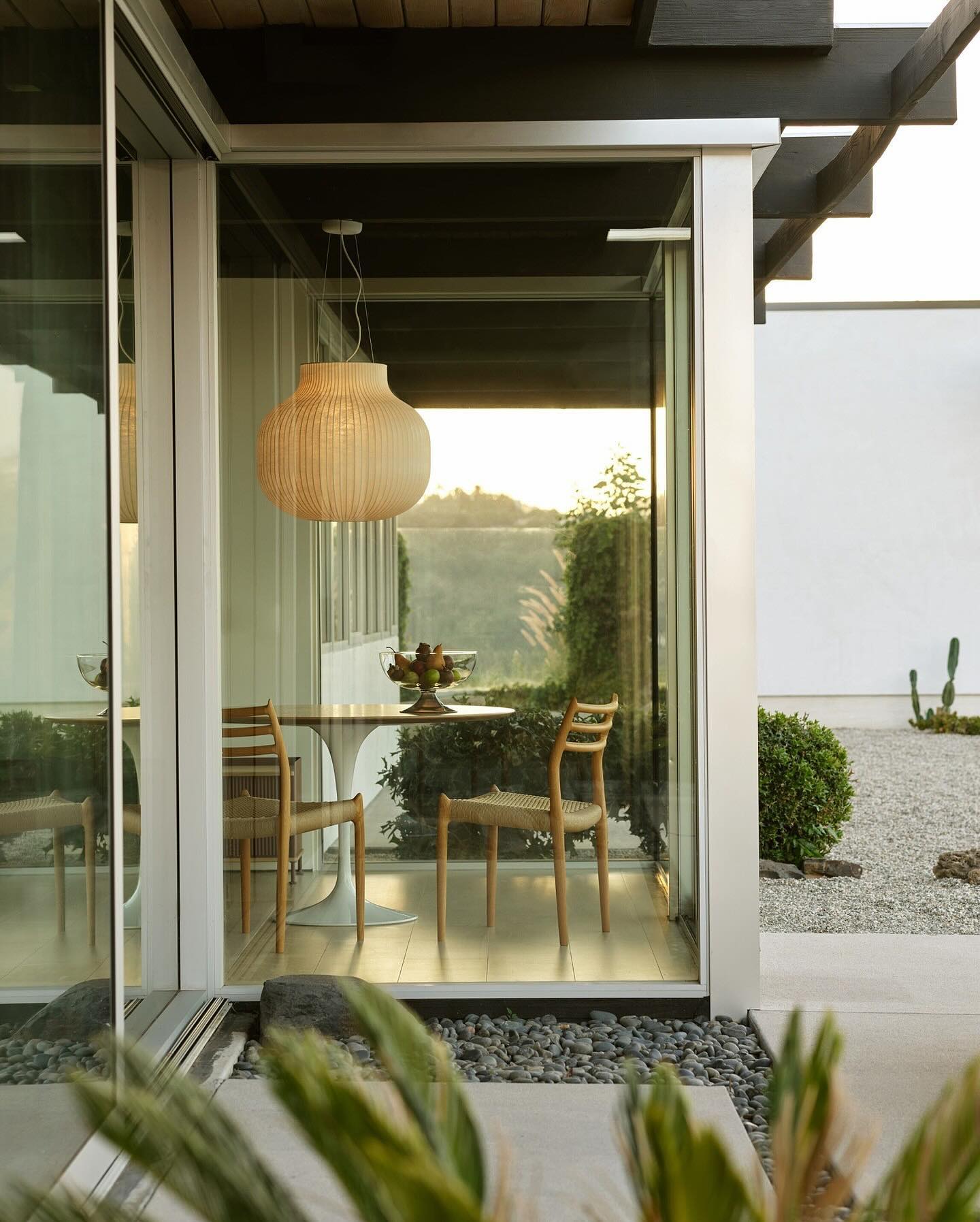
At first glance, hygge born of dark Nordic winters and candlelit interiors might seem alien to Dubai's year-round sun and outdoor lifestyle. In fact, the two cultures share a deep appreciation for the home as a sanctuary from the outside world. Dubai residents spend a great deal of their lives in highly air-conditioned interiors; the warmth they seek is not thermal but atmospheric. Danish furniture with its natural materials, ergonomic warmth, and quiet beauty creates precisely the enveloping comfort that makes a Dubai home feel like a refuge.
How Bazar de Ville Can Help
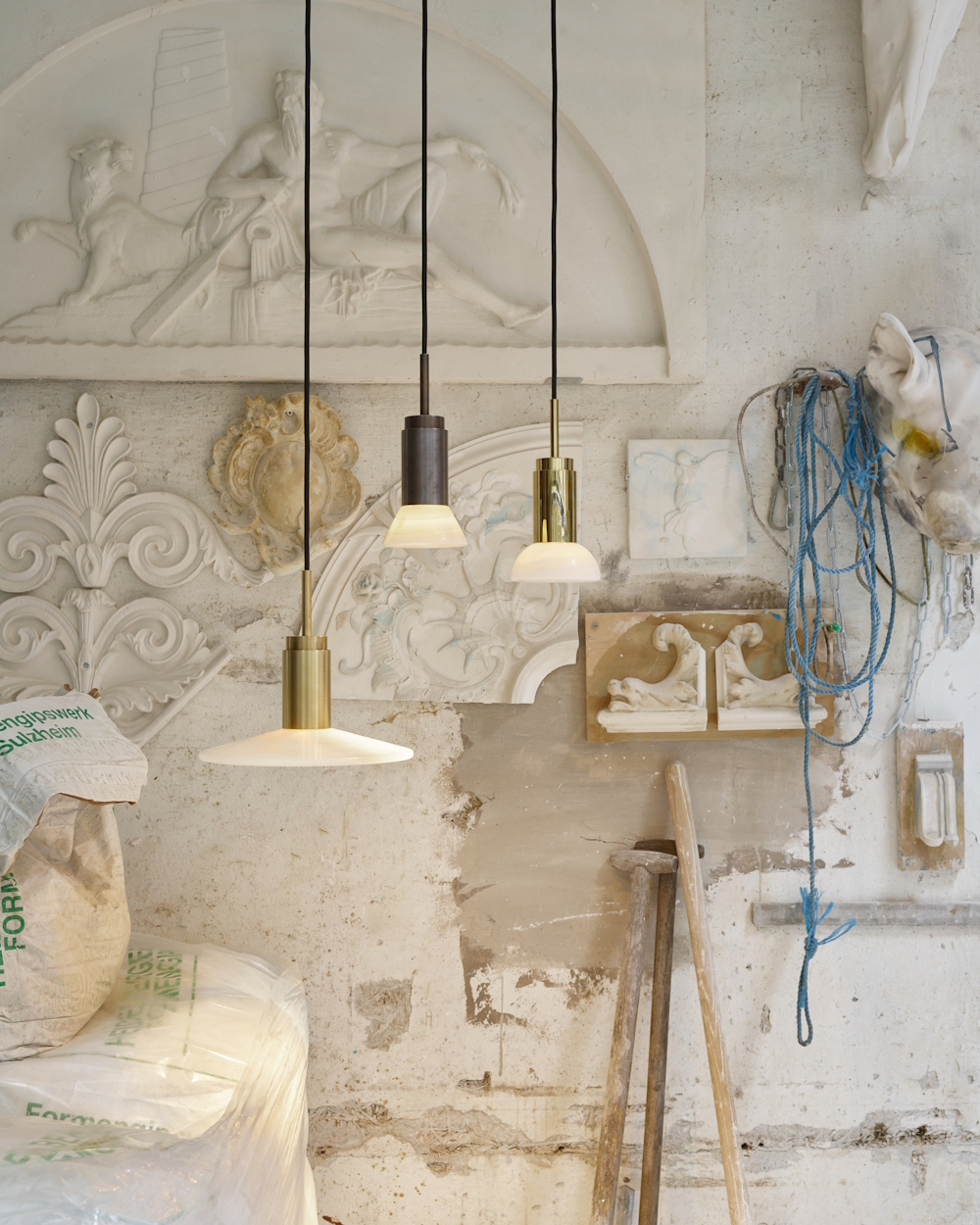
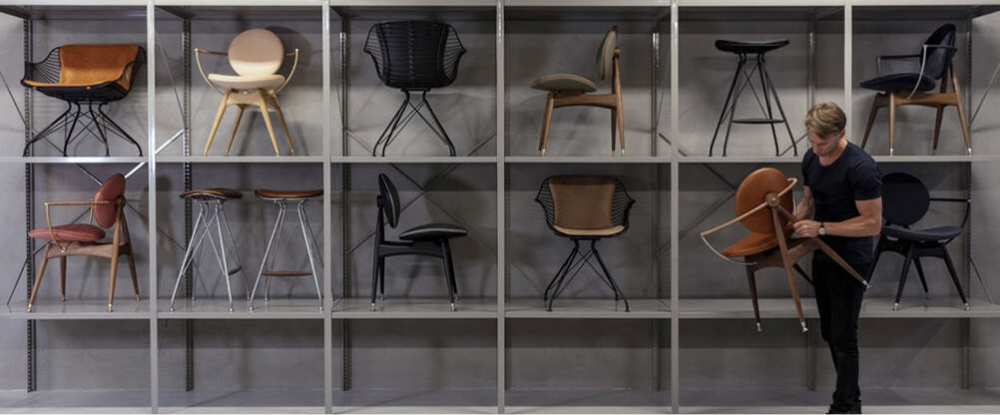
Bazar de Ville curates Danish and Scandinavian design specifically for the Gulf context. Our team understands both the cultural weight of the pieces we represent and the specific requirements of Dubai living: the scale of Gulf architecture, the quality of local light, the lifestyle of families who entertain generously and live beautifully. Whether you are drawn to the iconic silhouettes of Danish furniture history or the contemporary brilliance of studios like ANOUR, we can build a space that feels in the very best Scandinavian sense like home.