The Culture of Artisanal Craft in Europe: Why It Matters More Than Ever
What We Mean by Artisanal
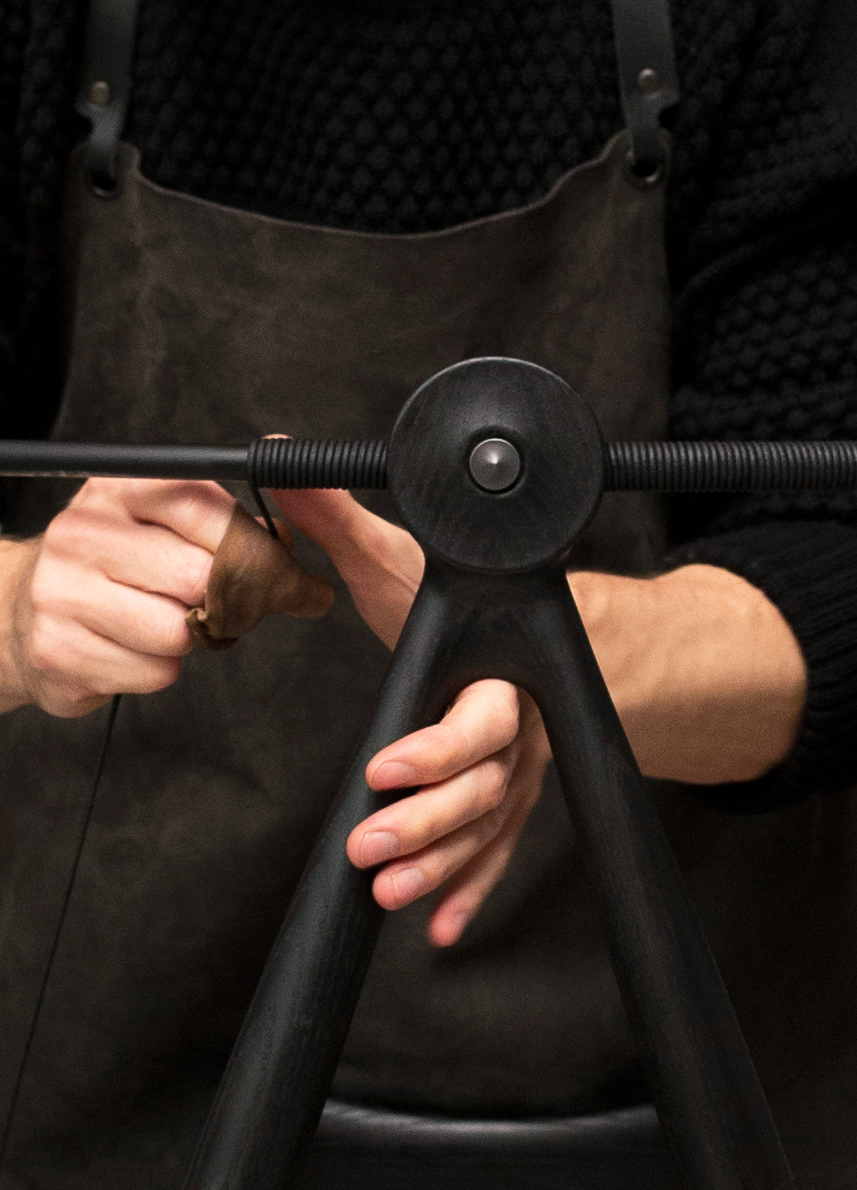
The word 'artisan' comes from the Italian artigiano one who works with art. An artisan brings knowledge accumulated over generations, a personal signature, and an understanding of material that no machine can replicate. When a master tanner in Cordoba grades a hide by feel alone, or when a glassblower in Murano reads the temperature of a furnace by the colour of the molten glass, they are exercising knowledge that lives in the body, not in a manual.
The Geographic Clusters of Excellence
Europe's artisanal culture is organised around ancient geographic clusters, where families passed knowledge directly across generations. Murano for glass, Limoges for porcelain, Lyon for silk, Aubusson for carpet, Venice for lace, Cordovan for leather each region developed a specialisation so deep it became a global synonym for its craft.
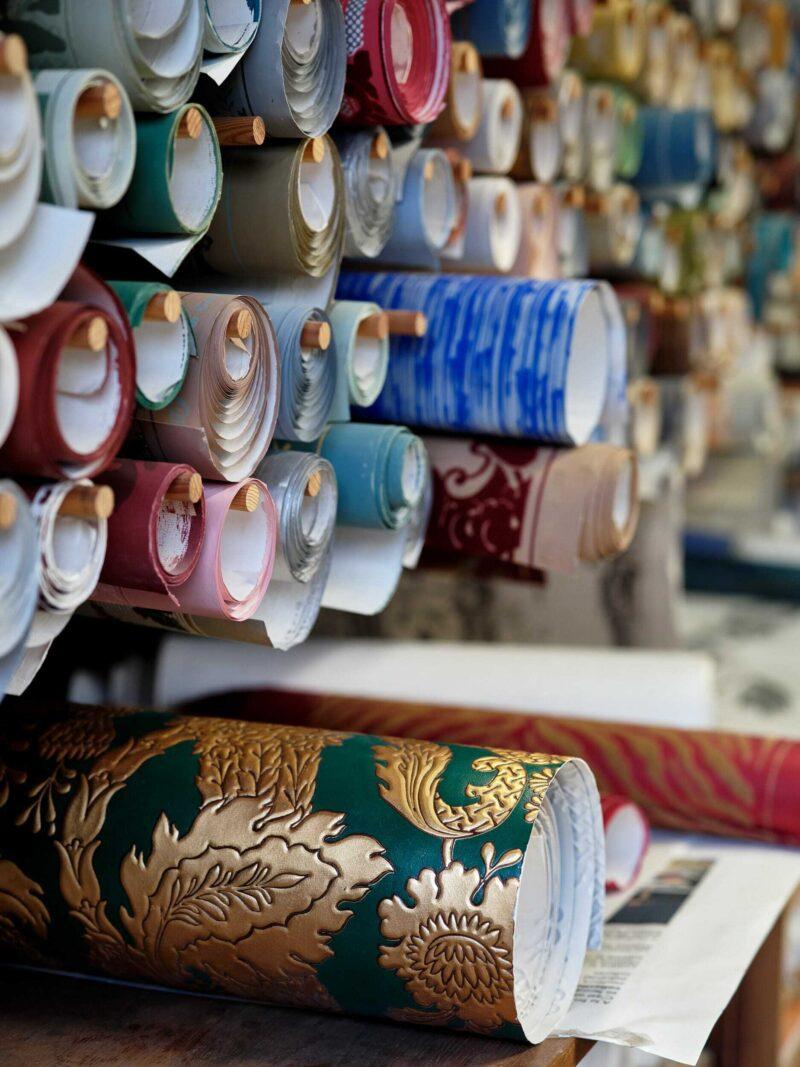
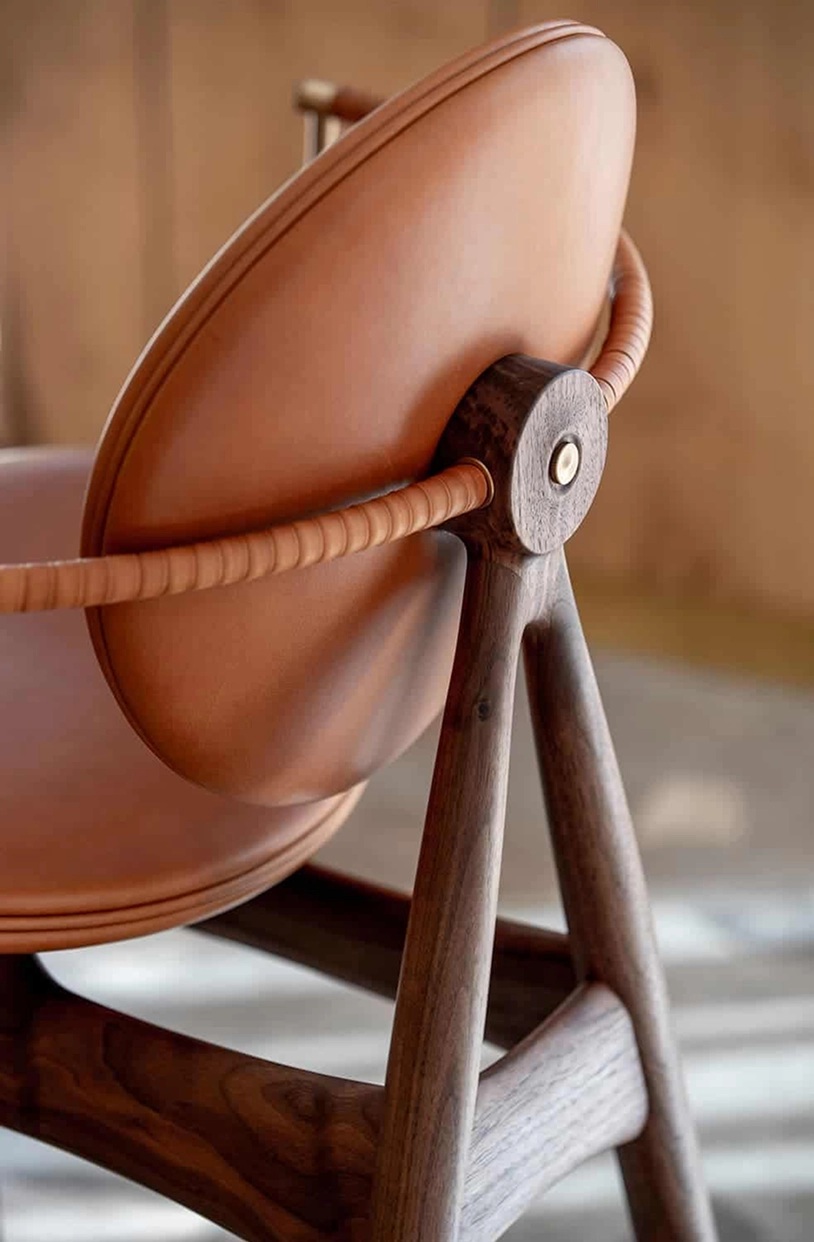
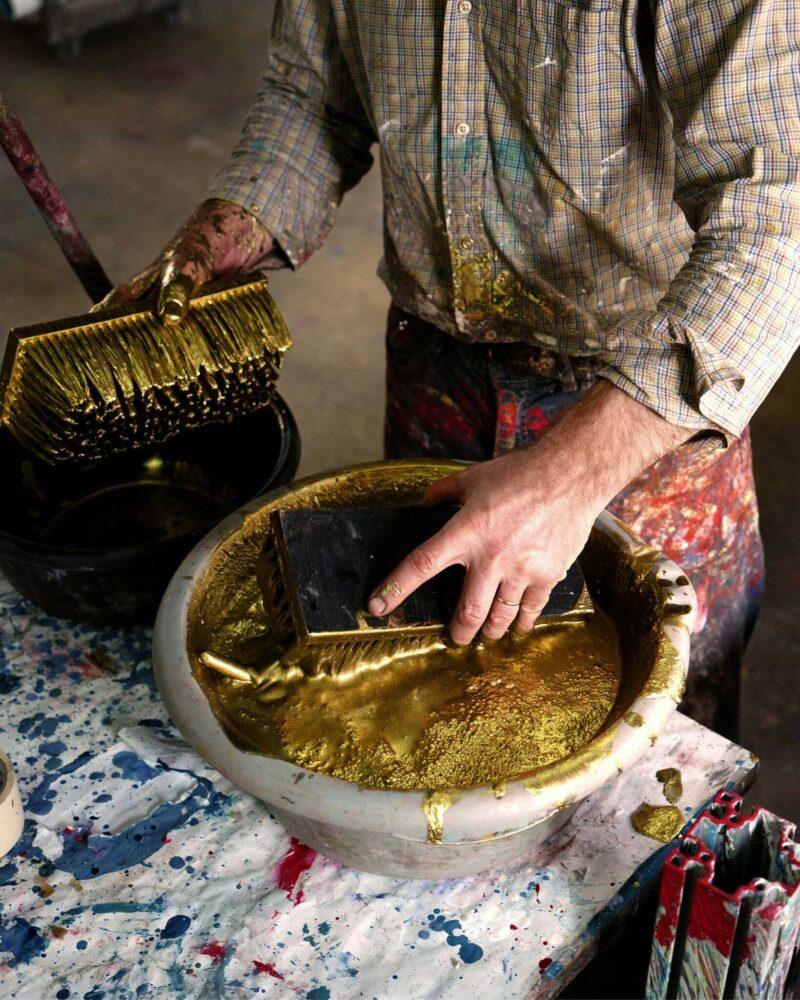
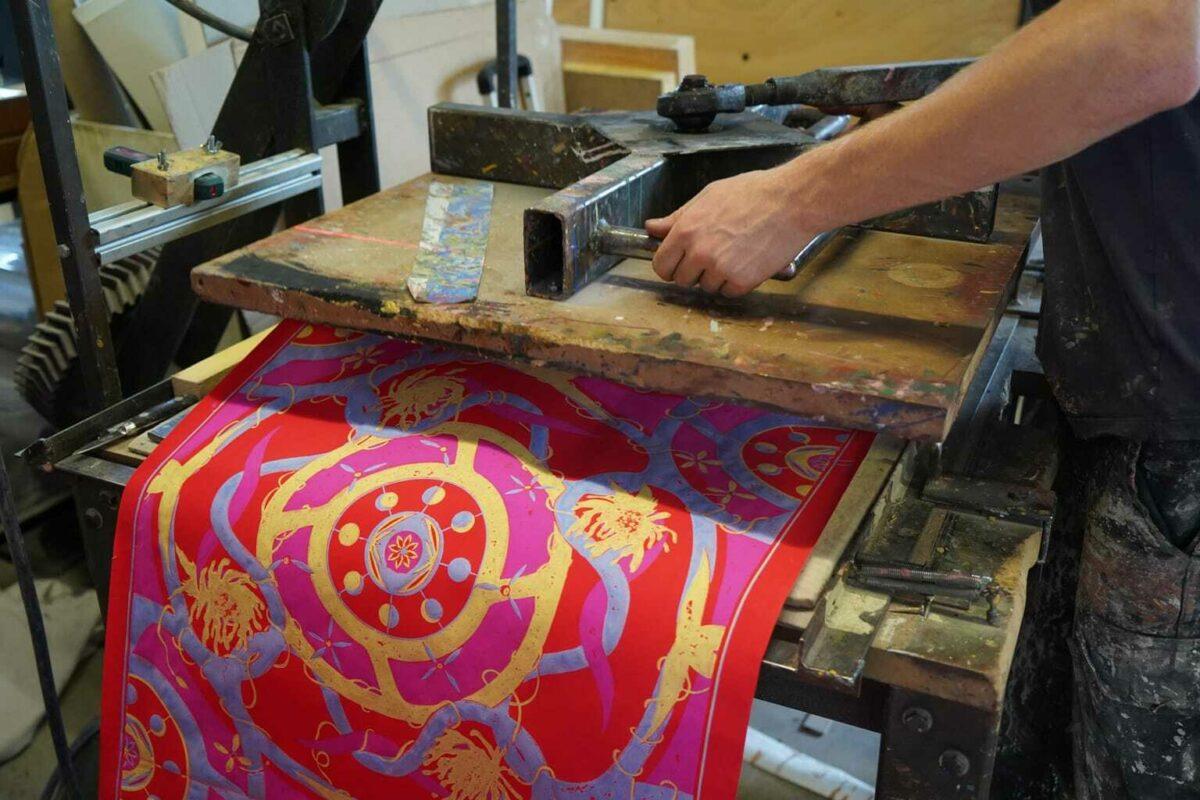
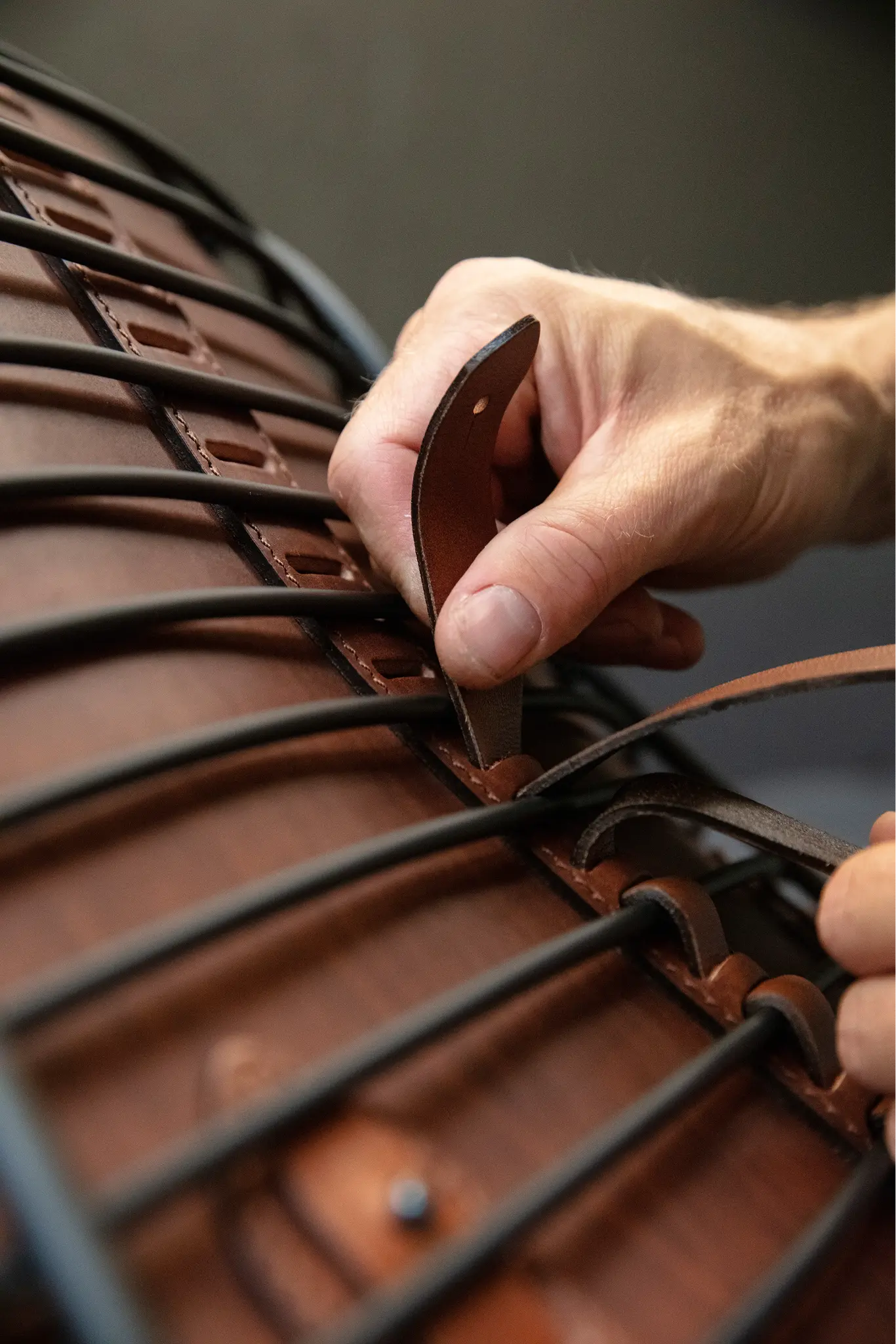
At Bazar de Ville, we work with makers rooted in exactly these traditions. Atelier d'Offard in the Loire Valley prints wallcoverings using 18th-century block methods. Maison Tahissa works with ancestral leather techniques that predate industrial tanning. These are not heritage brands performing authenticity — they are living workshops where old knowledge is actively practised every day.
The Economics of Slowness

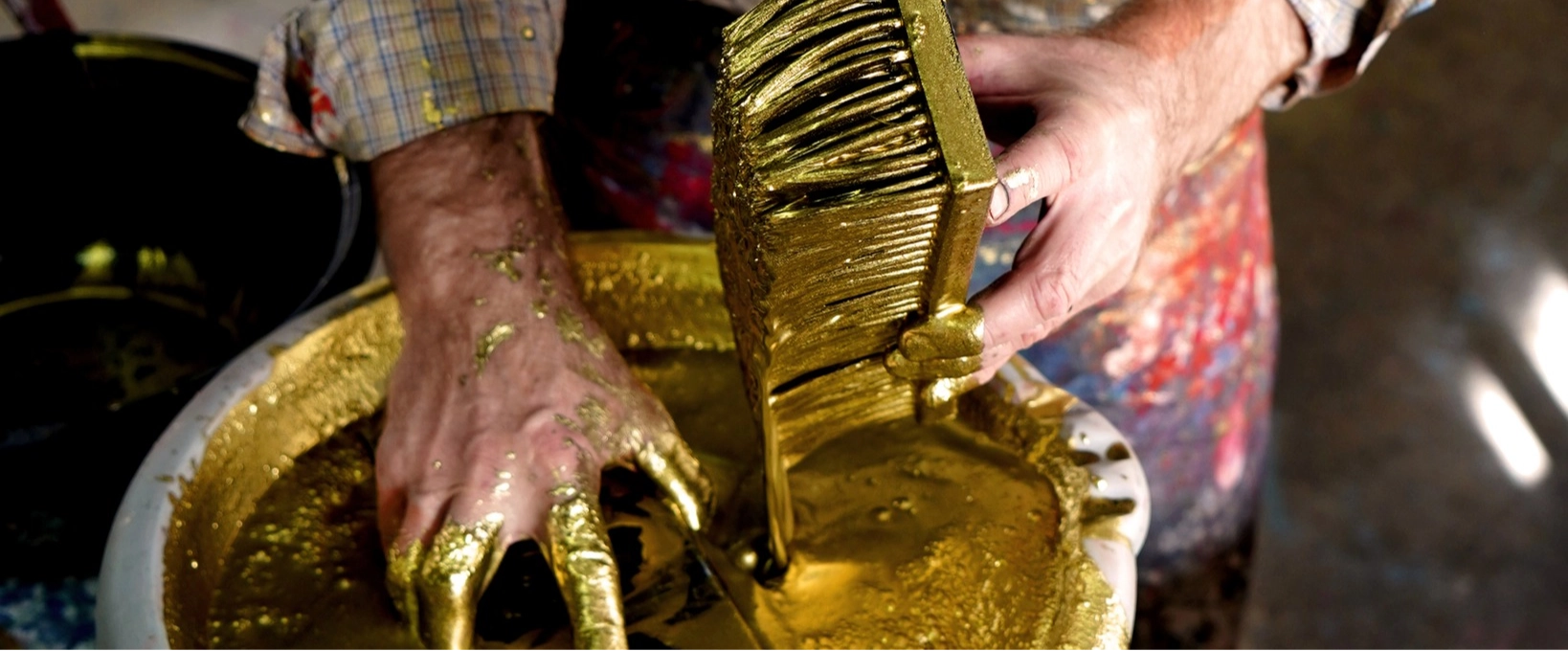
Artisanal work is expensive because slowness is expensive. A hand-blocked wallpaper panel requires hours of work that a digital printer completes in minutes. A hand-knotted carpet takes months sometimes years. This is not inefficiency: it is the cost of singularity. Every piece produced this way carries within it the unduplicable trace of a human moment.
The sustainable argument is equally compelling. Pieces made with care and skill last for generations, designed for longevity rather than obsolescence. The true cost of a well-made object, spread across 50 or 100 years of use, is far lower financially and ecologically than its cheap counterpart replaced every decade.
Artisanal Craft and Dubai's Evolving Taste
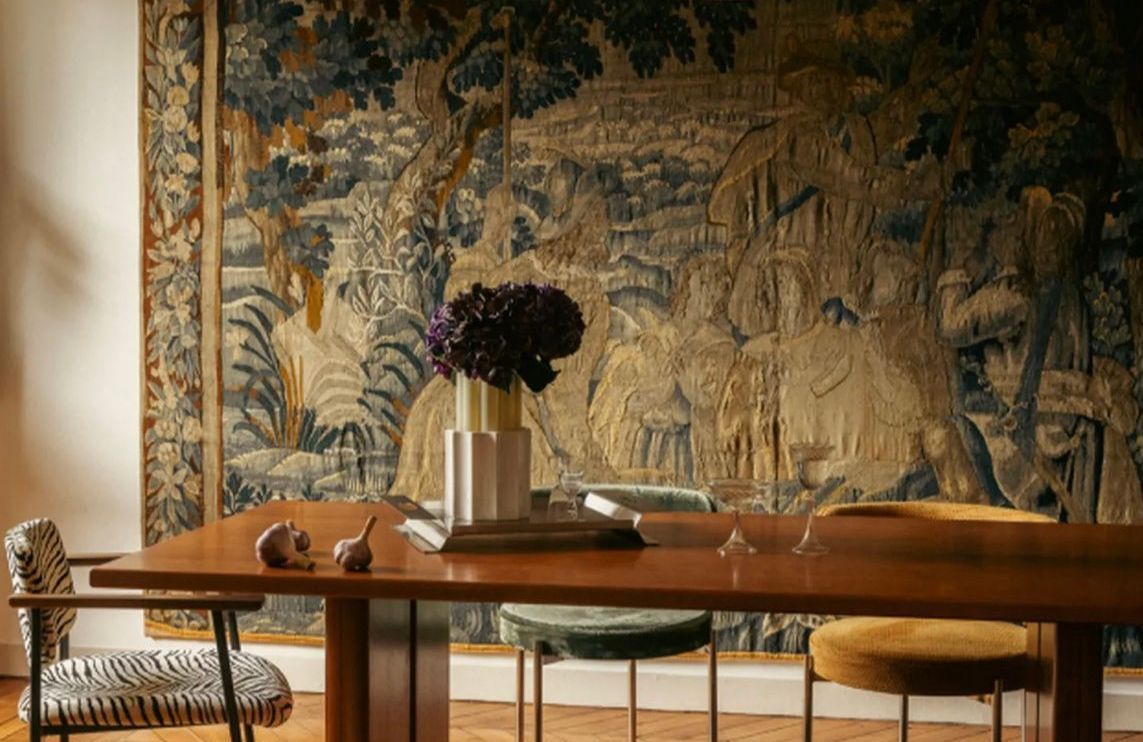
Dubai is entering a new chapter in its design culture. Where the early decades of the city's luxury market were driven by brand names and visual maximalism, a growing community of discerning clients and designers is today seeking something deeper: provenance, story, rarity. The appetite for artisanal European work pieces that carry a place, a name, a method has never been stronger in the Gulf. This is not a trend. It is a maturation.
How Bazar de Ville Can Help
.webp)
Bazar de Ville exists precisely at the intersection of European artisanal excellence and the discerning Dubai market. We travel to the workshops ourselves. We know the makers, understand their methods, and can explain what makes each piece singular. When you work with us, you are not buying a product you are acquiring a story, a craft, and a relationship with the people who made it. We bring Europe's finest ateliers to Dubai, one extraordinary piece at a time.