How French Savoir-Faire Became a Global Inspiration
The Sun King's Decree
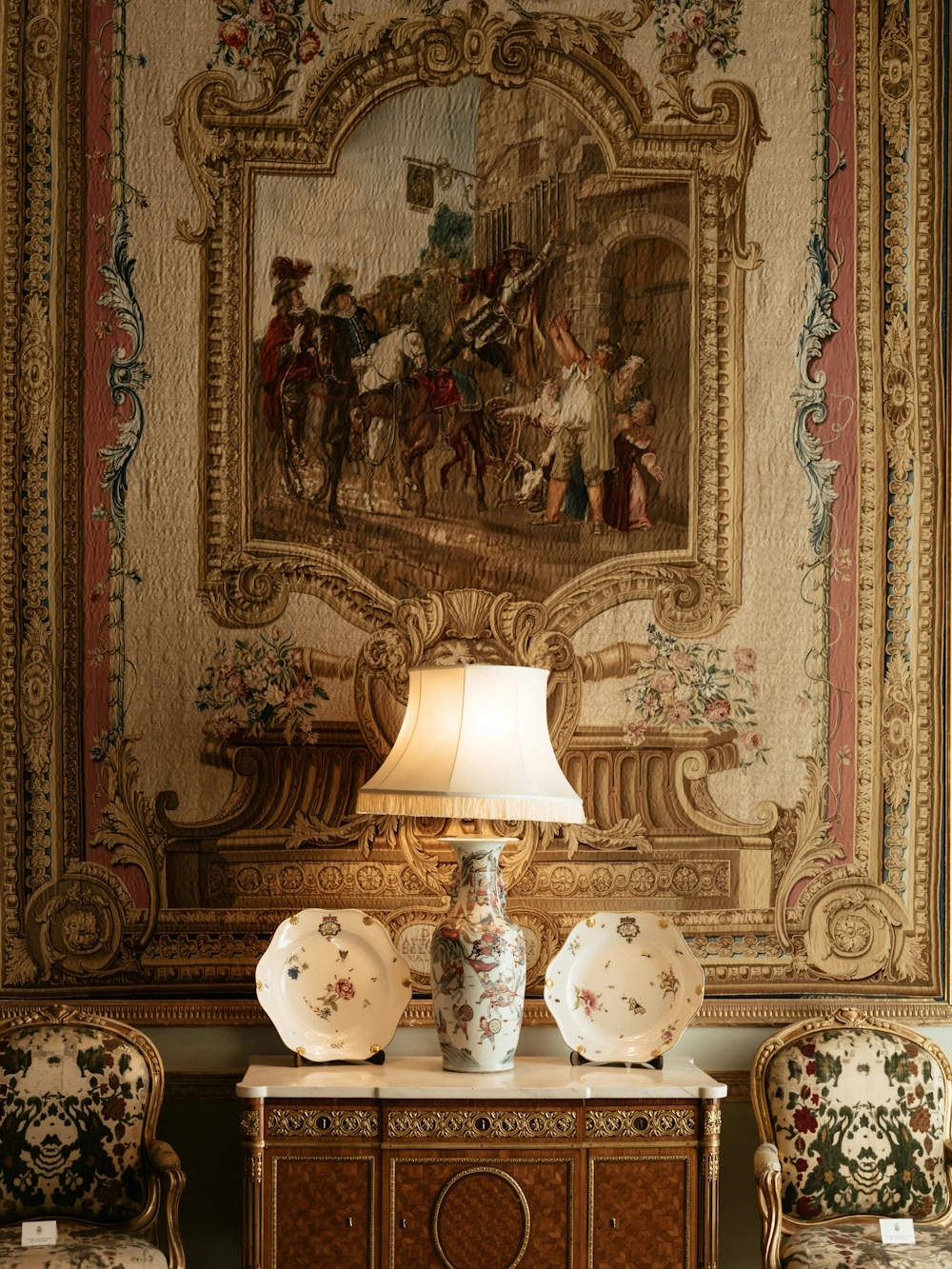
The story begins with Louis XIV and his minister Jean-Baptiste Colbert. In 1665, Colbert established the Manufacture Royale des Meubles de la Couronne and mandated that France become the world's pre-eminent producer of luxury goods. This was as much a political programme as an aesthetic one: French excellence in the decorative arts would project French power across Europe.
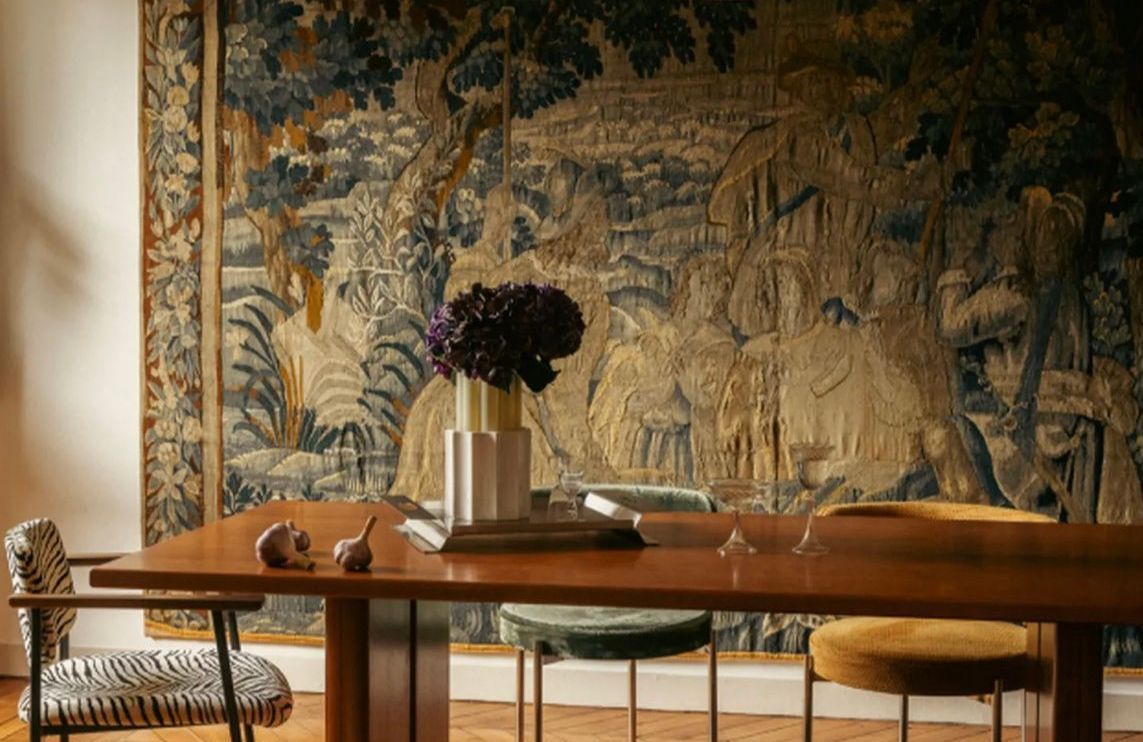
The gamble worked. By 1700, French furniture, porcelain, tapestry, and textile were the gold standard of European taste. Every court from Vienna to Saint Petersburg employed French craftspeople or trained their artisans in Paris. The language of decorative excellence had become French.
The Concept of the Atelier
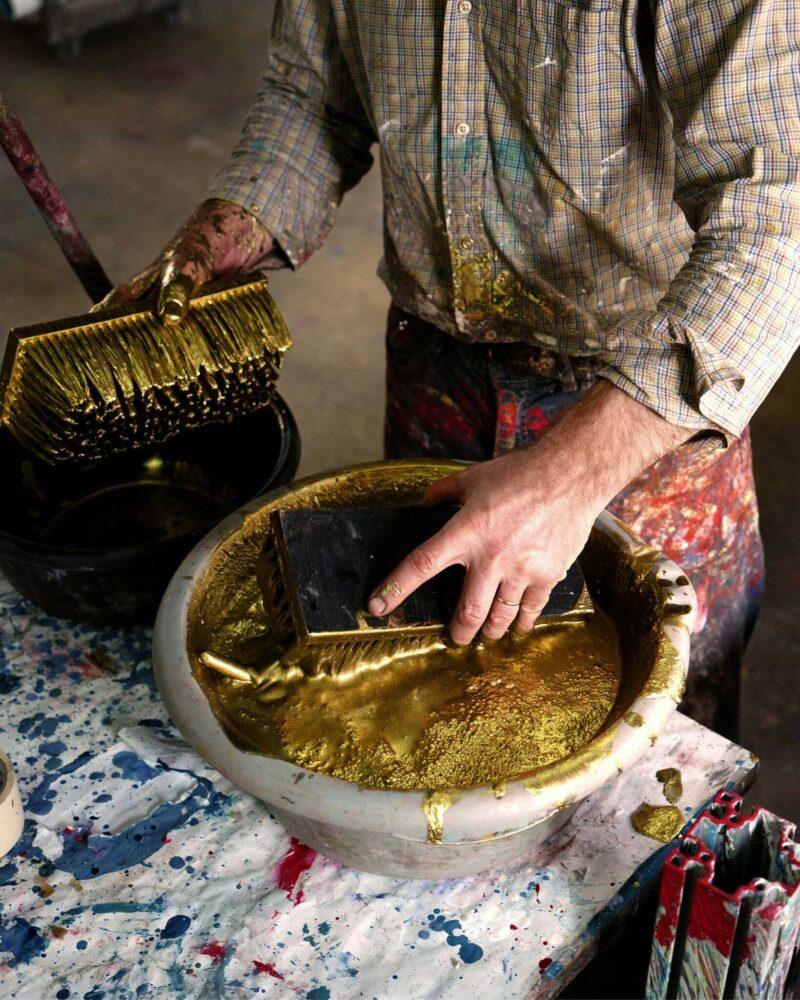
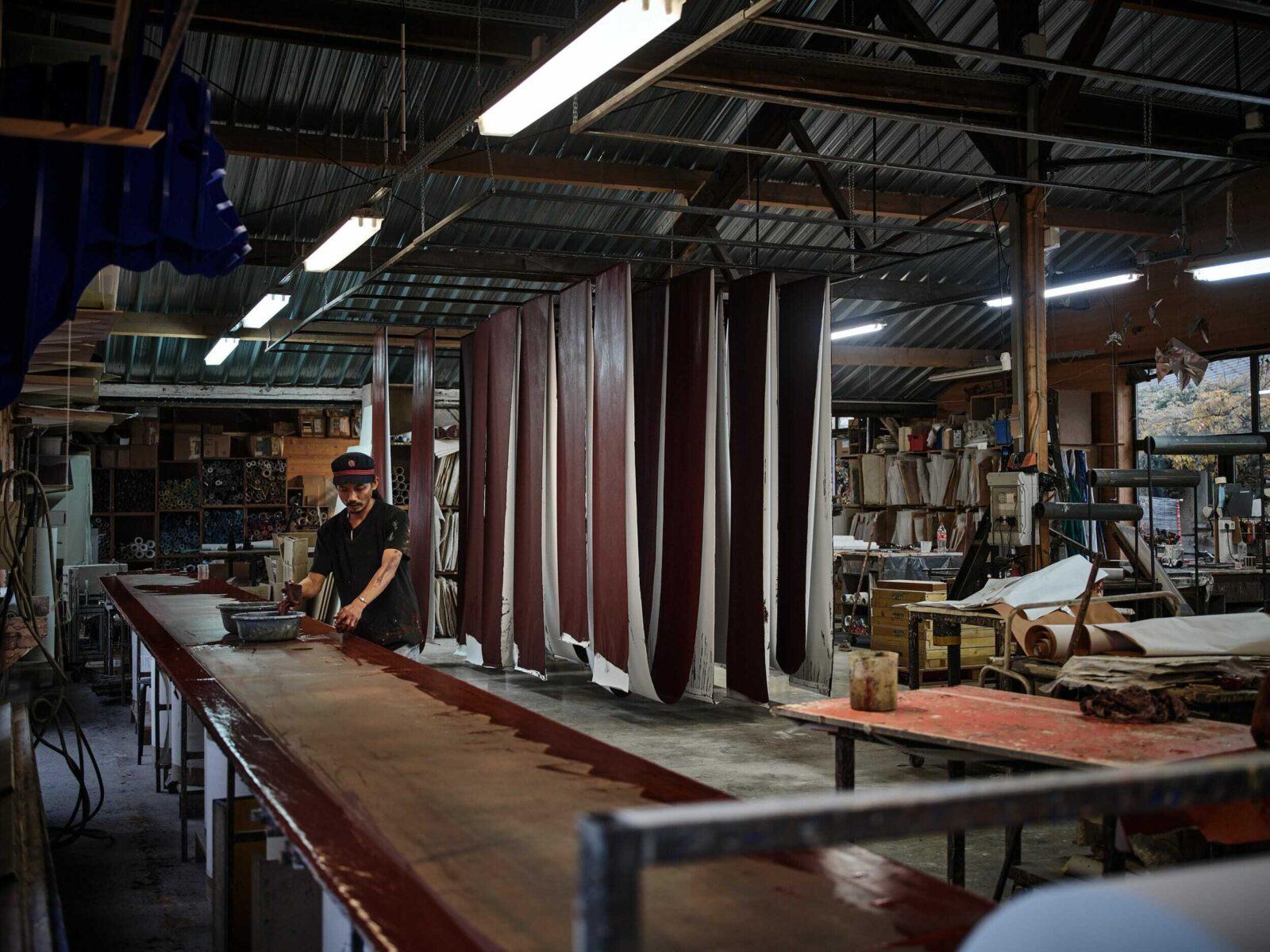
Central to French craft culture is the atelier the workshop where the relationship between master and apprentice transmitted knowledge that could not be written down. The compagnonnage system, a centuries-old guild tradition still active today, required journeymen to travel across France, learning from different masters before producing their chef-d'oeuvre. This culture of rigorous transmission produced craftspeople of extraordinary depth.
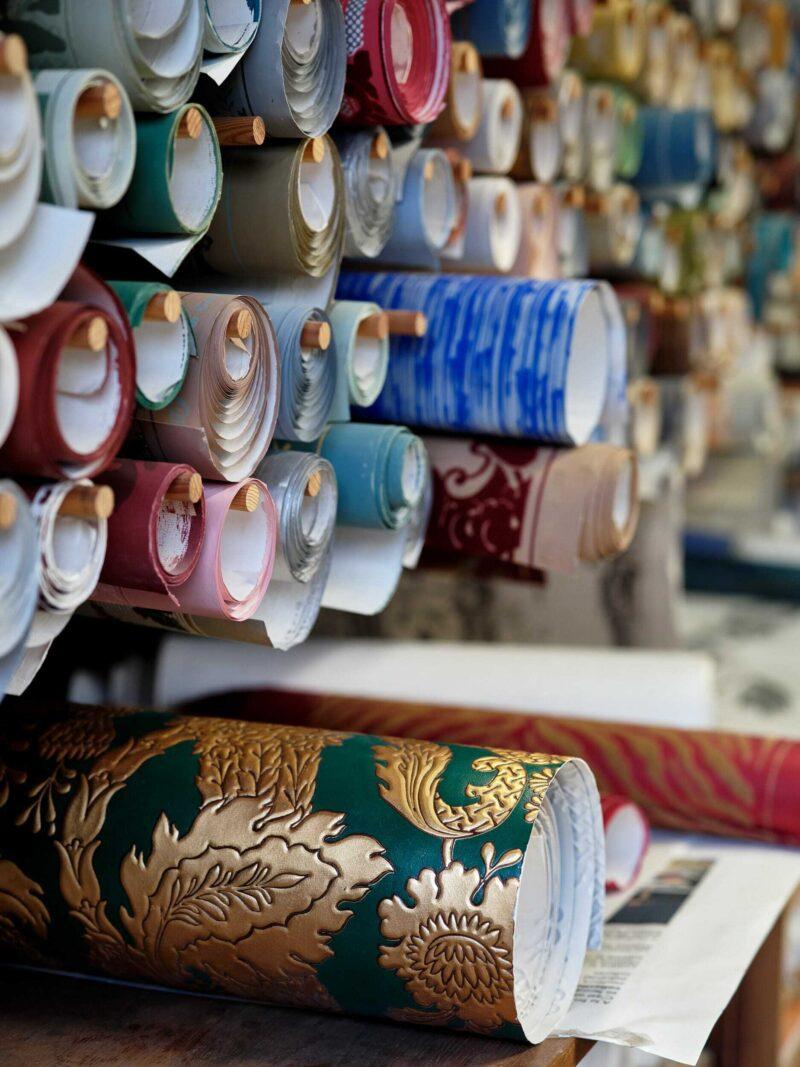
The atelier model survives and thrives in the workshops Bazar de Ville represents. Atelier d'Offard prints wallpapers by hand in the Loire Valley using tools and techniques dating from the 18th century. The word 'atelier' in their name is not branding. It is a statement of method.
From Versailles to the World
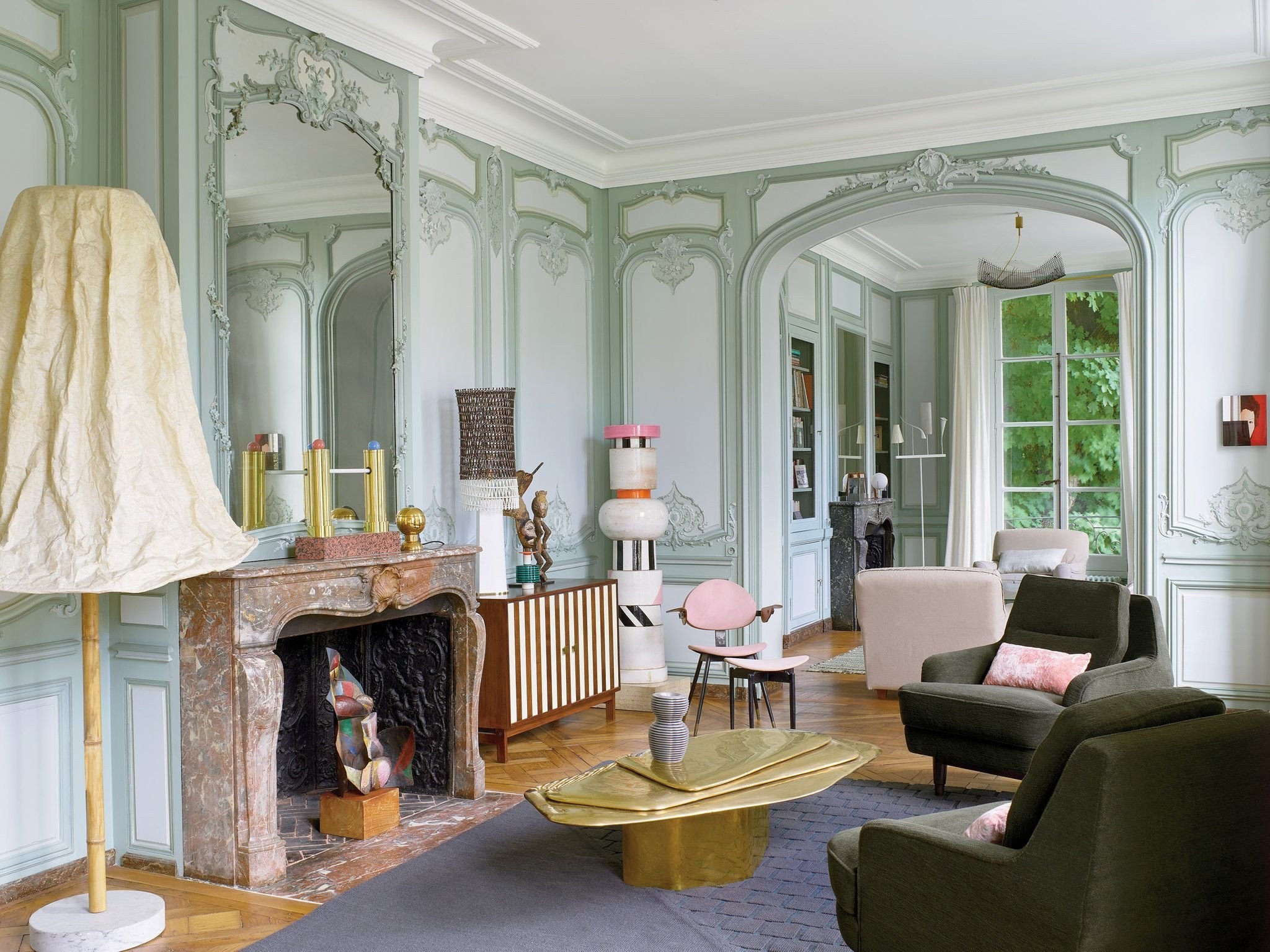
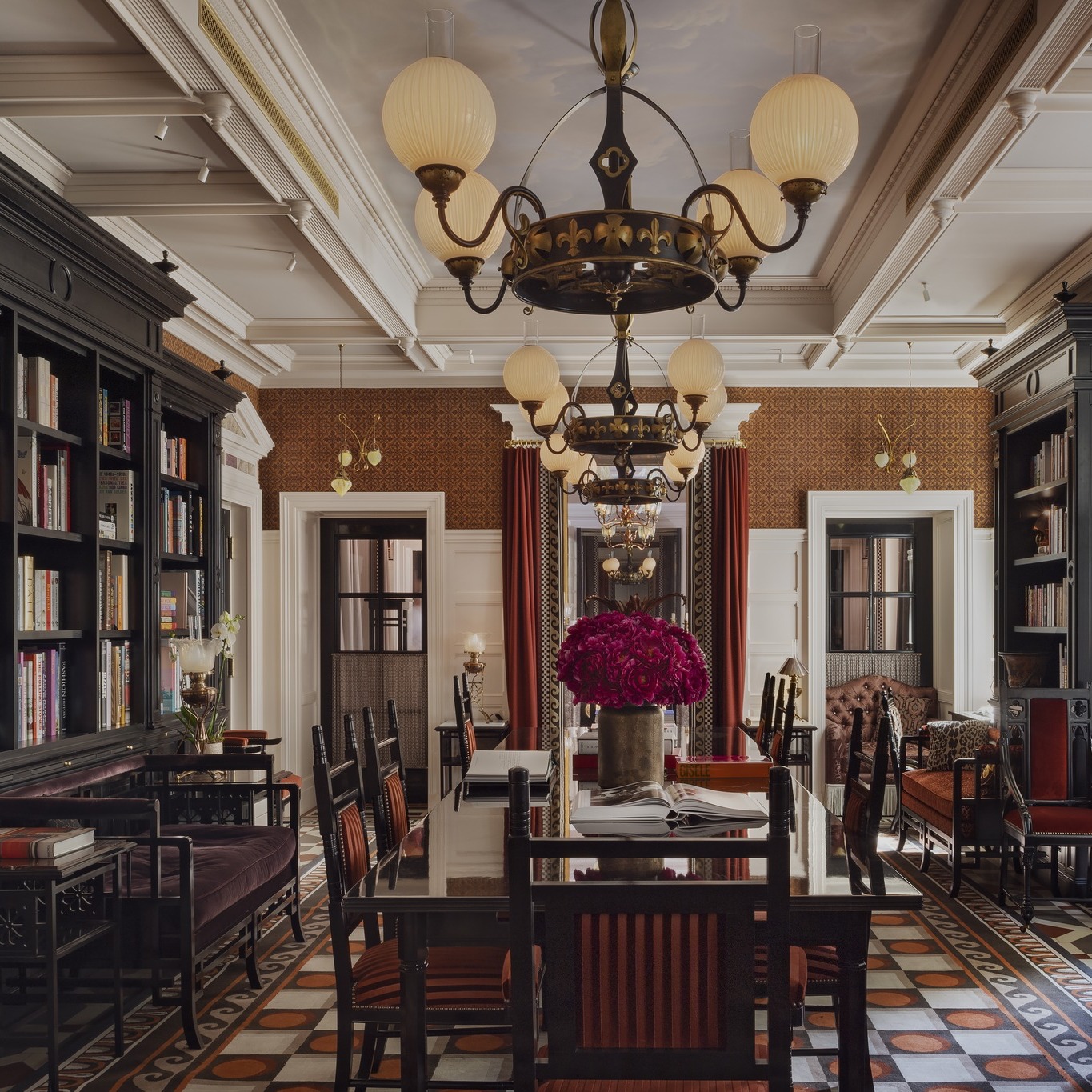
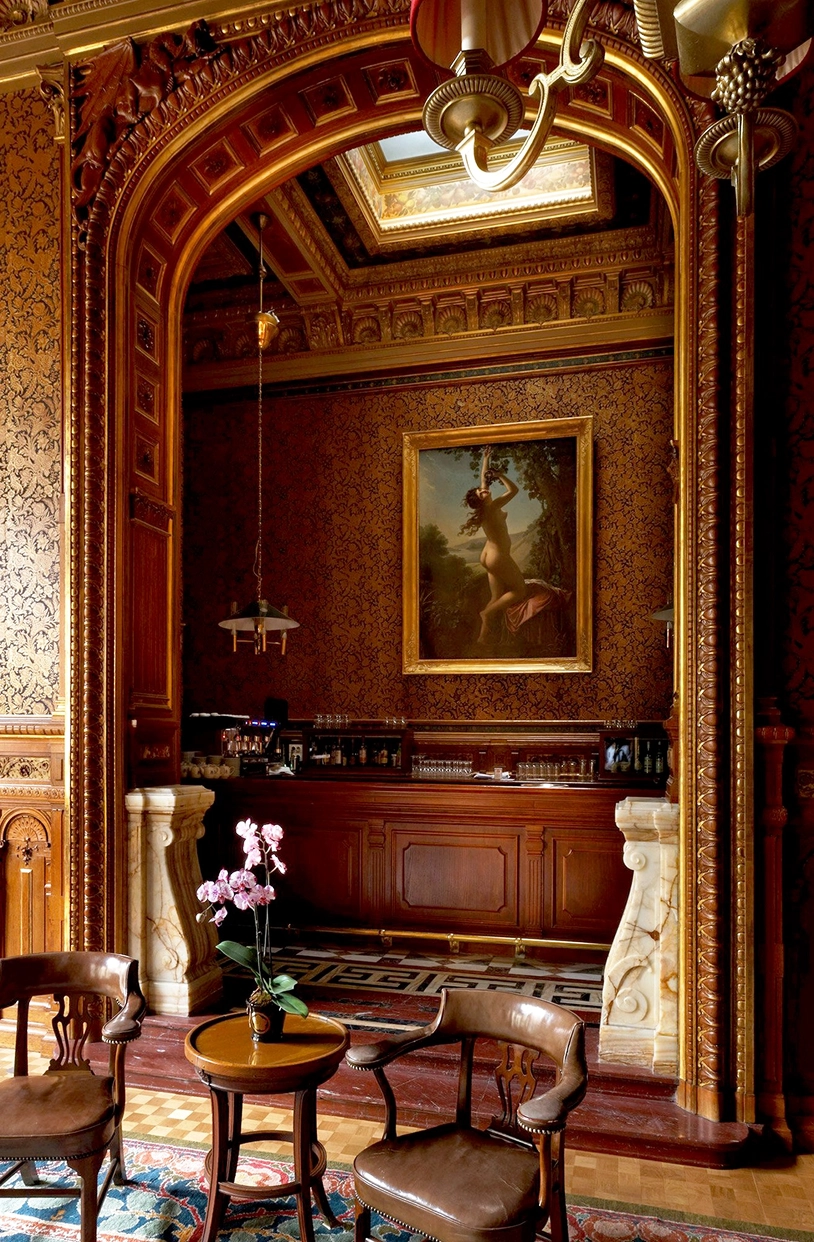
French decorative influence radiated outward through multiple channels: the grand tour that brought wealthy Europeans to Paris, the catalogues of the great ébénistes that circulated across courts, and the role of French emigrant craftspeople who carried their skills to London, Vienna, and beyond after the Revolution. By the 19th century, Haussmann's renovation of Paris created a new theatre for French domestic excellence, the Haussmannian apartment, with its parquet de Versailles floors and monumental fireplaces, became the template for aspirational urban living worldwide.
The Luxury Codes That Still Govern
What France established in the 17th and 18th centuries became the foundation of the modern luxury industry. The codes that govern how the world thinks about quality the primacy of the artisan, the importance of provenance, the belief that truly beautiful objects are made slowly and with care are French inventions. The great maisons did not create these values. They inherited and codified them.
French Savoir-Faire and Dubai's Luxury Conversation
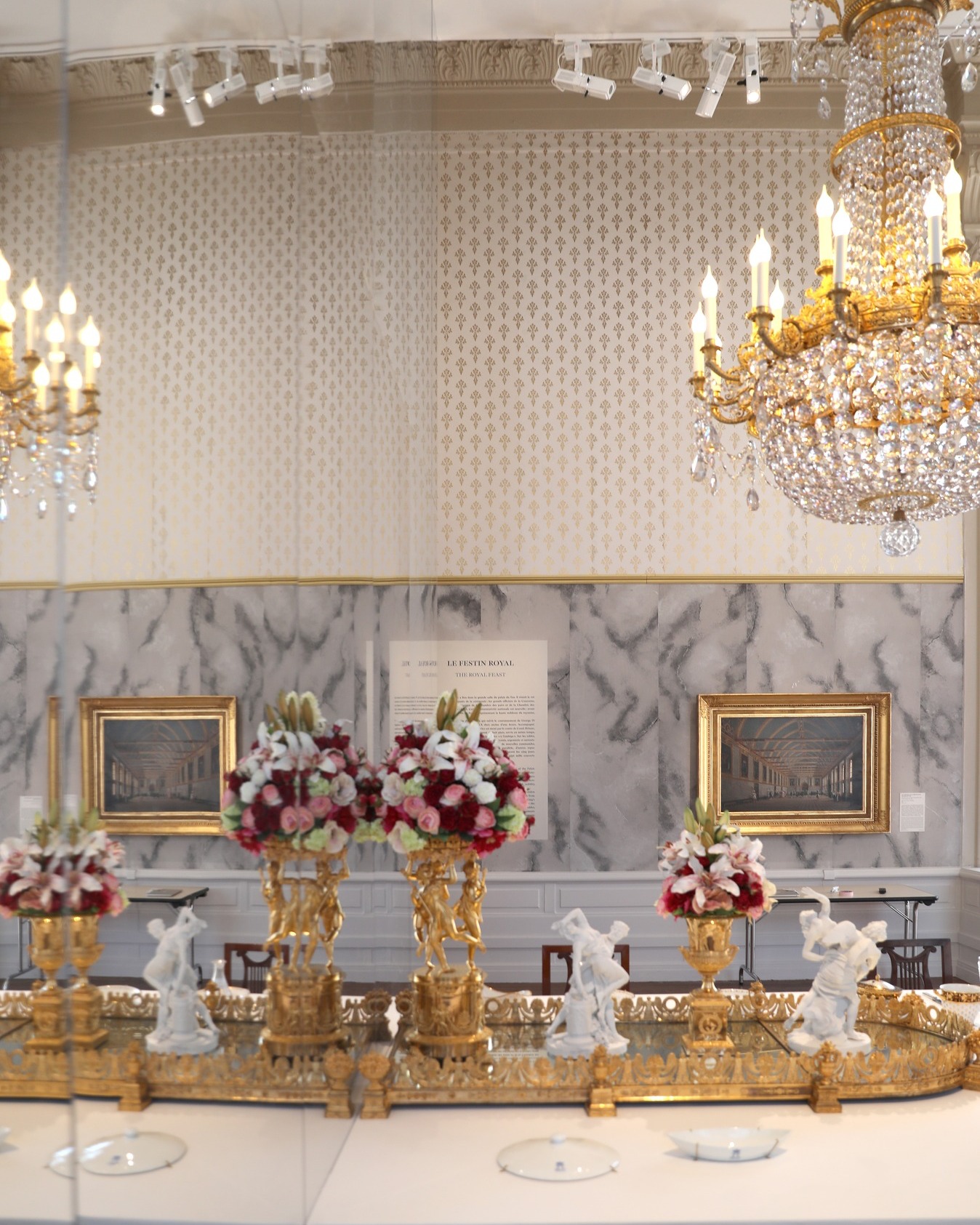
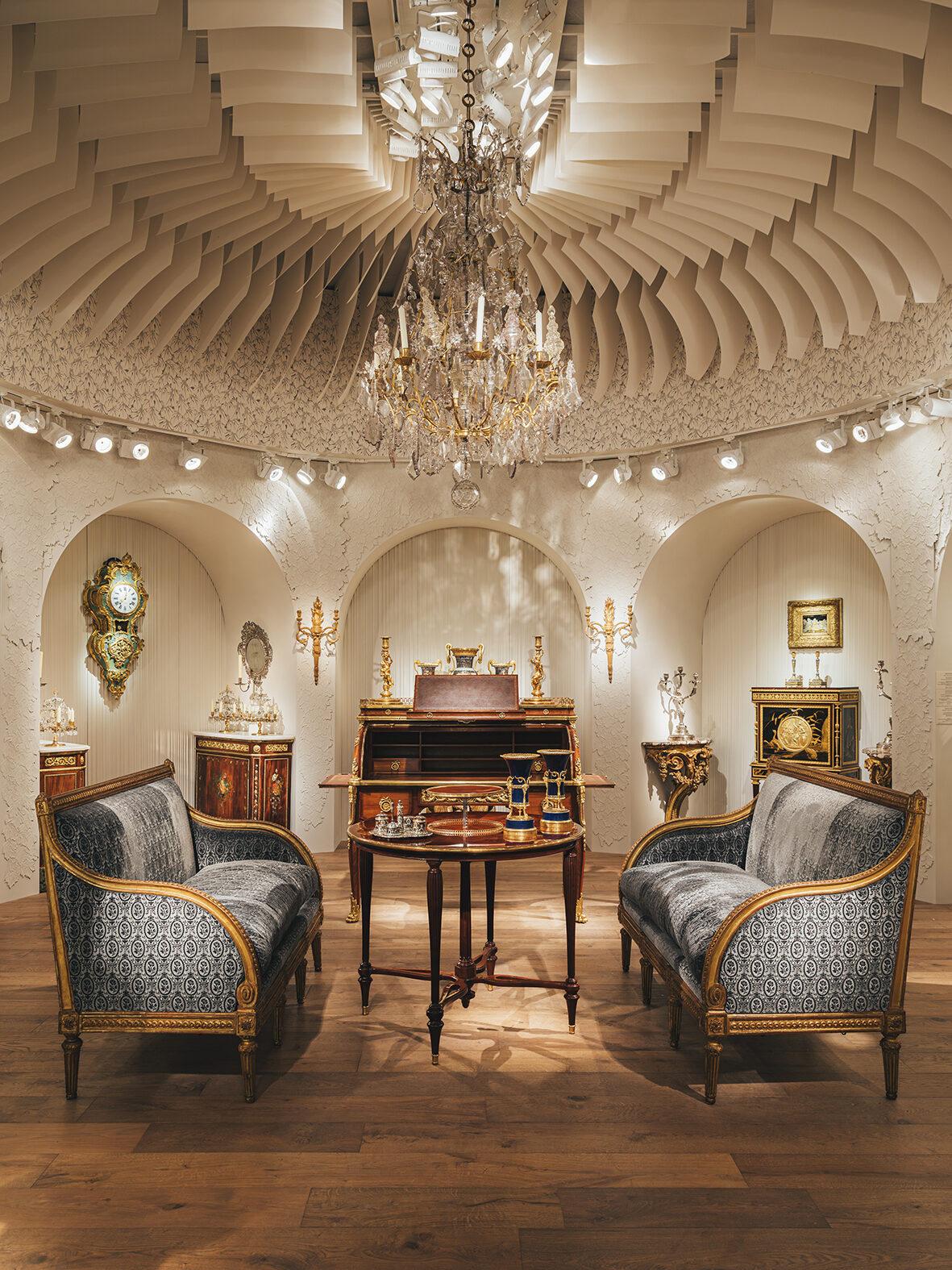
Dubai is one of the few cities in the world where French savoir-faire finds an audience as sophisticated as any in Europe. The city's leading collectors, hoteliers, and design-conscious residents have a genuine appetite for provenance for knowing not just that something is beautiful, but why, and by whom, and how. In this context, French artisanal work does not need to be explained or justified. It is immediately understood as the highest expression of what European culture can offer.
How Bazar de Ville Can Help
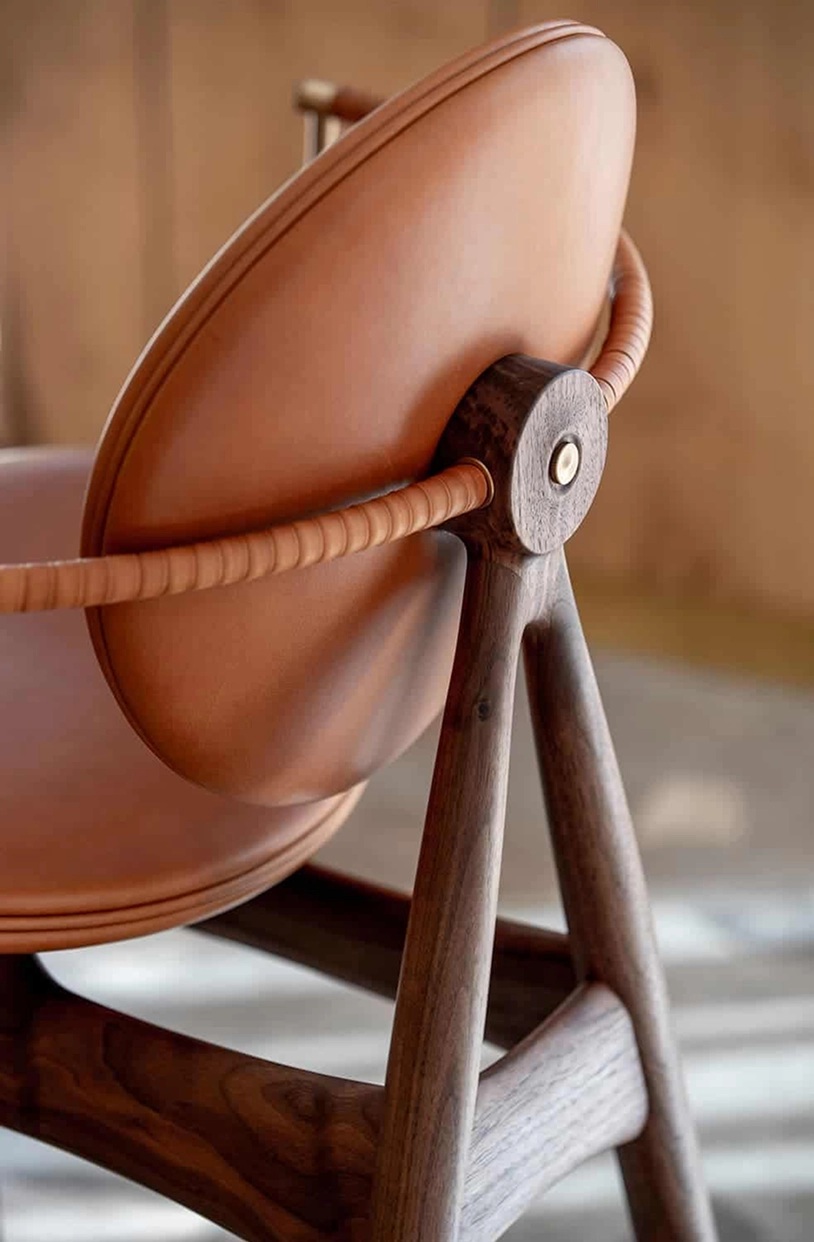
Bazar de Ville was founded on the conviction that French and European savoir-faire deserves a home in Dubai. We are not a showroom, we are a curatorial agency, working across Paris and Dubai to identify the most extraordinary ateliers and bring their work to clients who will truly appreciate it. From hand-printed wallcoverings by Atelier d'Offard to the ancestral leather craft of Maison Tahissa, every piece in our catalogue carries a story of French or European excellence that we are proud to tell.
We work with private clients, interior designers, developers, and hospitality groups to build interiors that are rooted in real culture, real craft, and real beauty. If you believe that the objects you live with matter that a home should be a place of genuine beauty we would love to work with you.